


At the office, we’ve decided to take care of ourselves. To bring a bit more sweetness into this rough world, we’re kicking off our feel-good series with a focus on anger. While it is a necessary and protective emotion, it can often get out of control. . Here are the keys to better manage conflicts, big or small!
Have you also noticed that people are increasingly prone to exploding in anger at the slightest spark? It must be said that our increasingly productive, stressful, noisy, and polluted lifestyles (among other factors) put our nerves to the test. While the Old Testament considers it a deadly sin, anger is nonetheless a natural and therefore healthy emotion. It’s there to make us feel that a boundary has been crossed, that what is said or done is not okay for us. Neither good nor bad, it serves to restore our rights. .
Normally, simply expressing it should be enough to make it subside. If that’s not the case, perhaps we’re not exactly within the strict framework of the emotion. Which is, let’s remember, a physiological reaction to a specific stimulus. It therefore only lasts for a few seconds or minutes. Under the influence of anger, the body releases hormones such as adrenaline (linked to physical activity), cortisol (the stress hormone), or serotonin (which aims here to disinhibit us).
This process is accompanied by physical manifestations that prepare the body to move:eart and respiratory rates accelerate, blood pumps faster, etc. This explains why, involuntarily, voices rise and bodies tense up, why fists clench, jaw muscles contract, and brows furrow… We’re ready to react!
There’s anger and then there’s anger
To learn to better manage conflicts, you must first understand that not everything we call anger necessarily is. If you rage at the drop of a hat, ask yourself this: is my anger appropriate? Is the trigger worthy of this emotion or is something else activating it? If so, why? Is the intensity of my reaction proportionate or disproportionate? For example, if you start yelling violently at someone who cut in line ahead of you, your anger is appropriate (they took your place), but disproportionate (a calm reminder to the person is sufficient).
Often, it’s stress that makes us lose our composure and turns our healthy anger into fits of rage. Or it gives the appearance of anger to pure manifestations of anxiety. If your child explodes at the slightest opportunity, there may be another cause to look for behind it. Has something changed in their life recently? Moving? Birth of a little sister or brother? School difficulties? This is because getting angry is asserting one’s power, and the only way to get out of stress is precisely to regain power over the situation.
We haven’t all learned to express our emotions in the same way. In some families, tears are banned, but anger is valued because it’s seen as a necessary way to assert oneself . Children raised by this model will tend later to substitute anger for sadness. The emotion is described as a “parasite,” as psychotherapist Isabelle Filliozat details in her book, Que se passe-t-il en moi (What’s Happening in Me?) She details various categories of emotions like “rubber bands” (reactivation of past emotions) or “stamp collections” (emotions swallowed and accumulated over time). Knowing how to identify them is useful for learning to better manage conflicts.
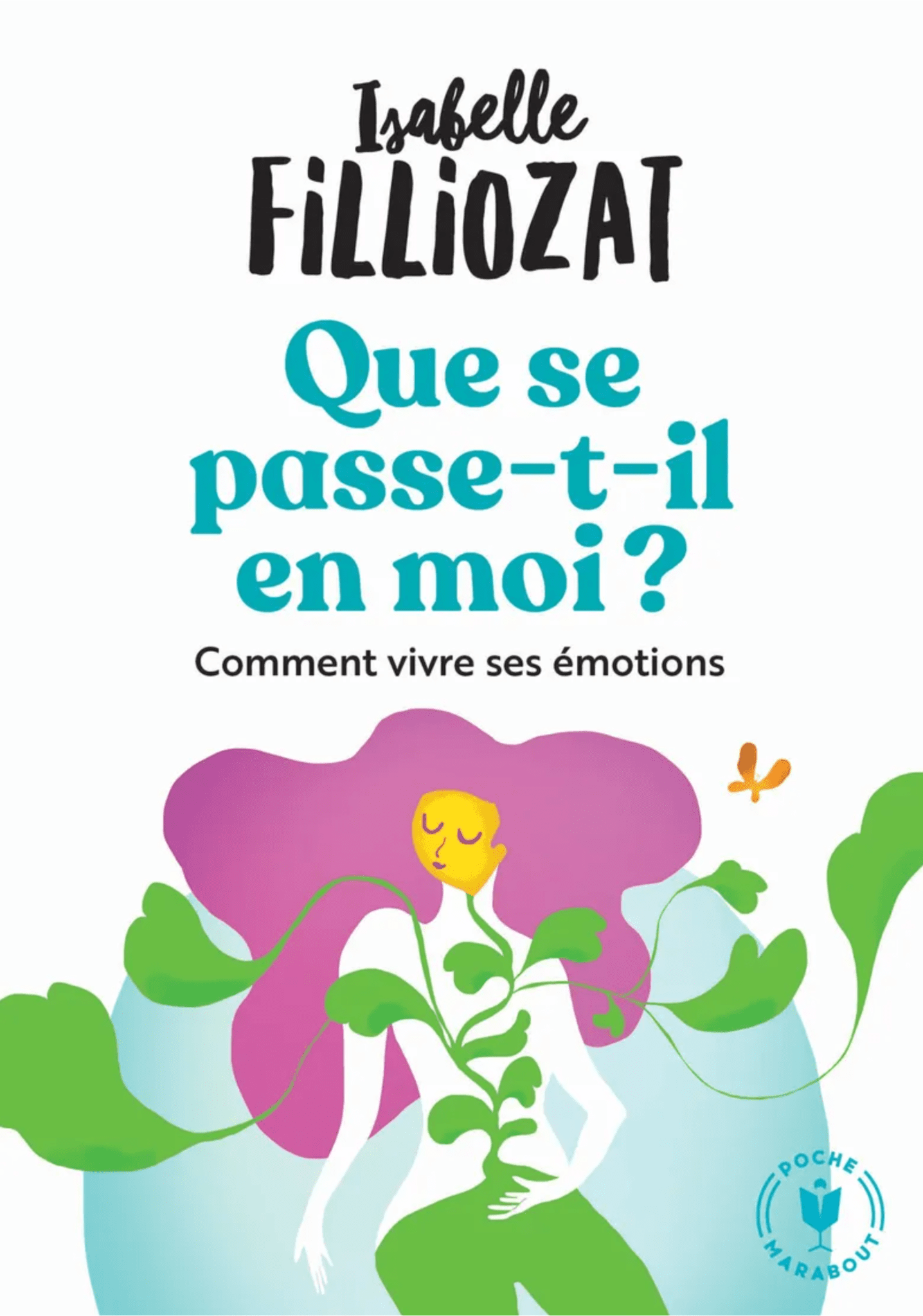
Available here.
“But I’m caaaalm!”
So how do you express anger without causing damage? Before exploding, you can take a moment to breathe deeply, alternating long breaths in and out. Or have a glass of water. If anger makes you want to be violent, you can isolate yourself to shout or punch a cushion. Dancing to a cathartic tune or singing at the top of your lungs works too. With children, you can channel their anger by diverting it into play,, by, for example,mimicking a dinosaur battle (roarrrrrrr!!!!). Everyone has their own method, the idea being to find a way to release the emotion in a safe manner for oneself and others.
Golden rule #1: never tell someone who’s angry to calm down. No need to explain why. You know as well as we do that this simple phrase can turn us into the Hulk even when we weren’t particularly angry. Golden rule #2: settle the conflict once the emotion has passed. When anger floods our body with hormones, we don’t have access to the rational part of our brain. First, we release the emotion, then we discuss. The risk, of course, is getting back into an argument, unless you have some methods of non-violent communication.
Available here.
The Deadly “You”
Nonviolent Communication (NVC), for the experienced, is a powerful method for better managing conflicts of all kinds. Formalized by American psychologist Marshall Rosenberg in the 1970s, it is based on the notion of empathy. Rather than judging or accusing the other person, we seek to put ourselves in their shoes or invite them to put themselves in ours.
How? Simply by avoiding starting our sentences with a “you”, which can be deadly for relationships. Why? Because when we blame the other person, we attribute intentions to them that only reflect our own view of things. And in addition, we put them on the defensive — not the best way to make them understand our point!
Conversely, starting sentences with “I” activates empathy and leads to a more authentic exchange, closer to each person’s reality. For example, the famous “you never listen to me!” can be very aggressive and unfair to the person targeted. Let’s try instead to show them what their supposed inattentive look does to us: “When you look at your phone while I’m talking to you, I don’t feel listened to…”. Sensitized in this way, the other person will be more inclined to change their attitude or explain themselves (they may be expecting an important call and you may not have chosen the best time to talk to them). Informed of your need, they will be more cooperative… and arguments will be avoided!
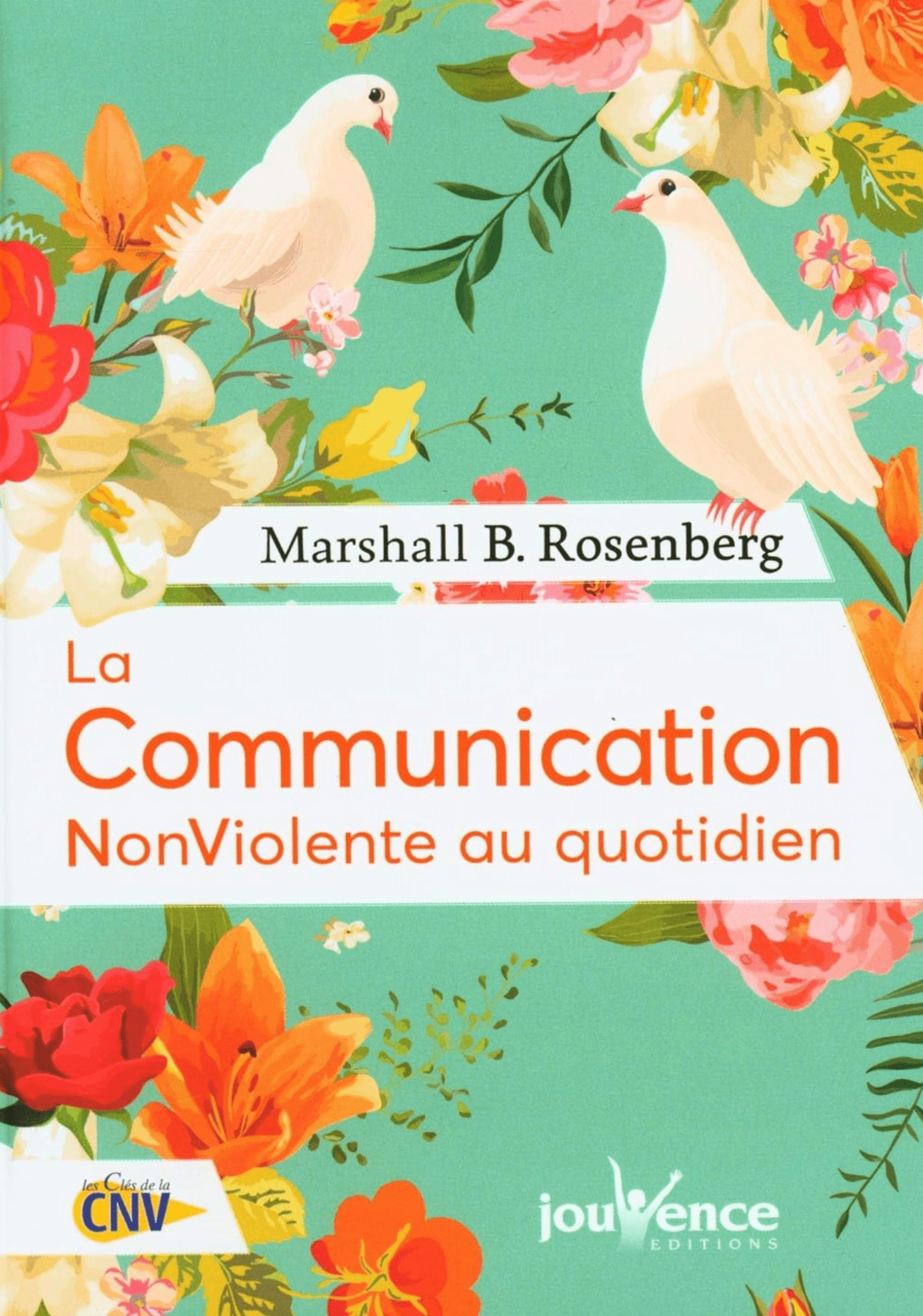
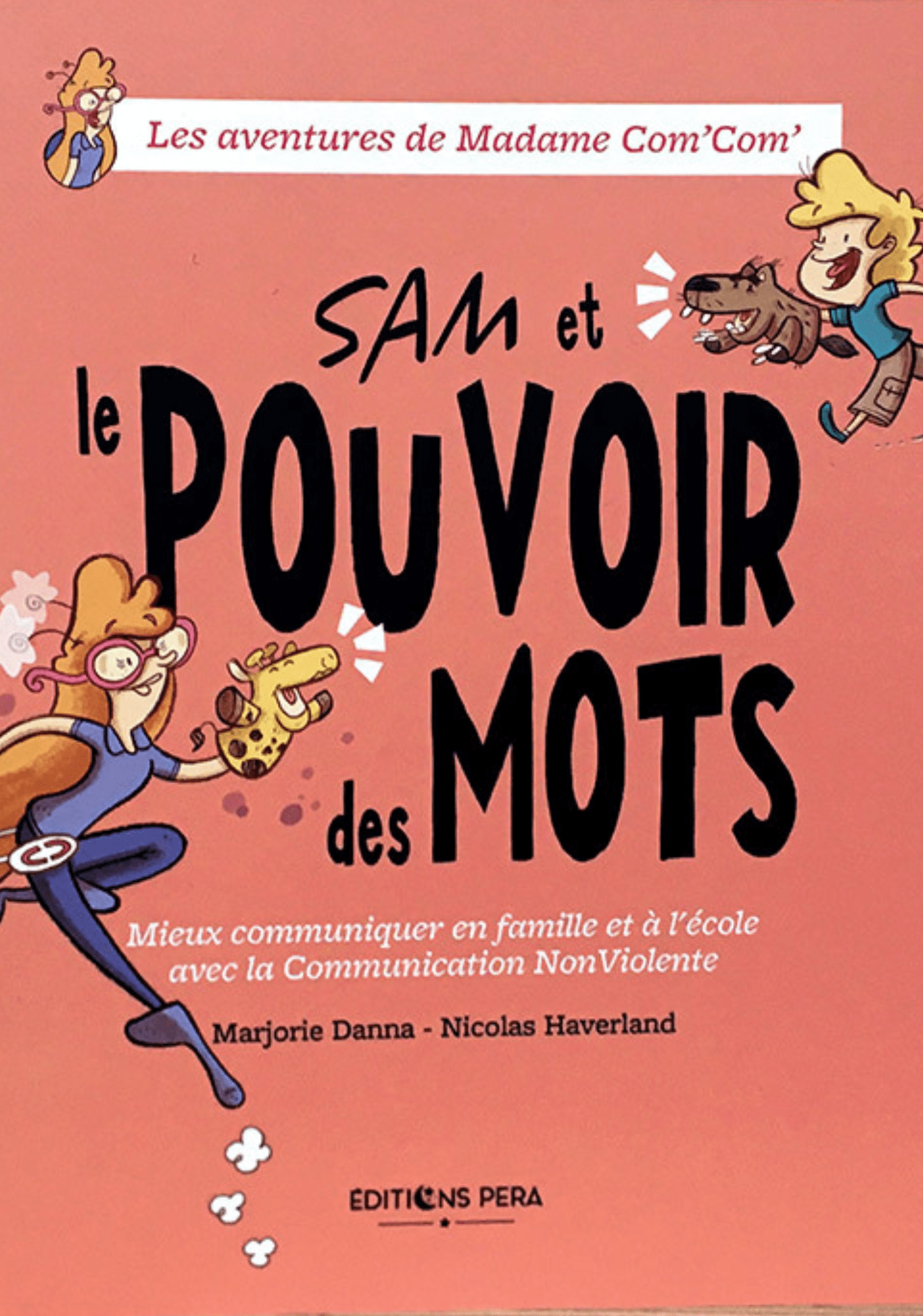
To convert to this method, Marshall Rosenberg has composed a handy little guide: “Nonviolent Communication in Everyday Life.” Practical and succinct, it is full of real-life situations. In each case, the book contrasts the phrases we naturally say with their reformulation in NVC mode. Personally, here at Shoelifer, , we think it should be taught in schools. Moreover, there is a book to introduce it to our little ones from 7 years old and up: “Madame Com’Com’s Adventures: Sam and the Power of Words”, by Marjorie Danna (a gem!). We promise it will change your life!
Available here.
For more information on NVC and to find out about training sessions near you, contact the Moroccan Association for Nonviolent Communication: [email protected] / 06 61 13 96 76.