

Bombarded with contradictory advice from self-proclaimed wellness experts, internet users struggle to distinguish fact from fiction. The influence of social media personalities on health and anti-aging has become a massive phenomenon, fueled by the pursuit of the perfect body and the fear of aging—a highly lucrative business.
One day, apple cider vinegar is hailed as a miracle remedy for detoxing the body. The next, it’s condemned as harmful to the stomach and a cause of nutritional deficiencies. This avalanche of conflicting information floods social media, propelled by an army of influencers claiming expertise in nutrition, fitness, and longevity.
Netflix’s documentary series Apple Cider Vinegar perfectly illustrates this trend, drawing inspiration from the true story of Belle Gibson, an Australian who falsely claimed to have cured a nonexistent brain cancer through natural remedies. Her fraud, exposed in 2015, misled thousands and highlighted the profound impact influencers have on our perception of health.
Money, money, money
The wellness and anti-aging market is a goldmine for these digital gurus. In 2023, the global anti-aging industry was valued at $55.1 billion and is projected to reach $79.3 billion by 2030.
This exponential growth is fueled by influencers who, thanks to their online presence, can earn tens of thousands of euros per sponsored post. Dr. Jimmy Mohamed (with 2 million followers on Instagram), despite being a real doctor, exemplifies this shift—spending more time on TV sets than in hospitals, showcasing how influencers have reshaped the public image of healthcare professionals.
The case of Pierre Dukan is equally telling: his diet, launched in 2001, gained worldwide popularity before leading to his expulsion from the French Medical Order in 2014. Not only was he accused of promoting his diet for commercial purposes (which is prohibited in France), but the French National Agency for Food Safety also deemed his recommendations dangerous.
Even today, many “doctors” turn their expertise into bestsellers, often without strict scientific backing. A striking example: cardiologist-nutritionist Frédéric Saldmann’s book The Best Medicine is You (2013) sold 500,000 copies. In comparison, a Goncourt Prize-winning novel barely surpasses 400,000, while the average book in France sells around 4,000 copies.
Paradoxical pressures
We live in a striking paradox: medicine and technology have never been more advanced, offering faster diagnoses and personalized treatments. Yet, we face an increasingly polluted environment and a worrying rise in certain diseases. A 2023 study published in BMJ Oncology revealed that global cancer rates among people under 50 have surged by nearly 80% between 1990 and 2019. This contrast between medical progress and environmental degradation drives individuals toward alternative solutions and significantly amplifies the influence of wellness influencers.
This fascination with wellness advice is far from trivial. In a society that moves too fast, regaining control over one’s body becomes paramount. Social media offers an illusion of closeness, and in a world overwhelmed by anxiety-inducing information, a simple and reassuring message becomes a refuge. Health and anti-aging provide fertile ground for these promises, capitalizing on the collective desire to become the best version of oneself.
However, the sheer volume of often contradictory advice leaves consumers utterly confused. Should we eliminate gluten or not? Is retinol the ultimate youth elixir or a danger to the skin? Is intermittent fasting beneficial or harmful? This overload of opinions encourages extreme behaviors, often adopted without proper discernment.
Reclaiming your own authority in the age of influencers
The impact of influencers goes beyond sharing personal experiences. By shaping trends, they transform the health industry into a massive consumer market, where every new product is hailed as the ultimate truth—until another claim overturns it. Yesterday, green tea was the unbeatable weight-loss ally; today, it’s accused of being packed with aluminum. Collagen powder was set to be the number-one anti-aging solution, only for new findings to reveal that the body struggles to absorb it.
Predictably, thousands of digital gurus dismiss scientific conclusions, accusing the scientific industry of bias. Since the 2020 pandemic, health—and especially nutrition—has become as polarizing and controversial as religion. Nearly everyone holds strong beliefs about food and medicine (vaccines, pills, antibiotics, etc.).
Many influencers push “miracle” products, promote expensive supplements, or advocate costly skincare routines, often without scientific evidence. The result? A generation of internet users caught between a desire to improve their well-being and a constant fear of making the wrong choice.
To regain control, it’s crucial to question these media figures. Who are they, really? What are their financial interests? Are they willing to admit when they’re wrong? The influence of these personalities is so vast that diversifying sources of information and relying on scientific evidence has become essential before jumping onto the next big health trend. Trust your common sense, consult your doctor, and only follow advice that genuinely works for you (and your body)!
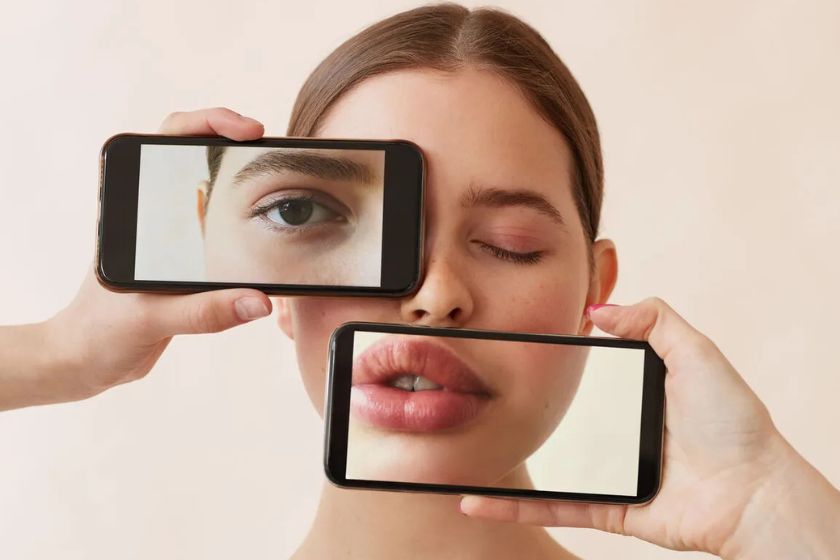
Picture (c) : Vogue