


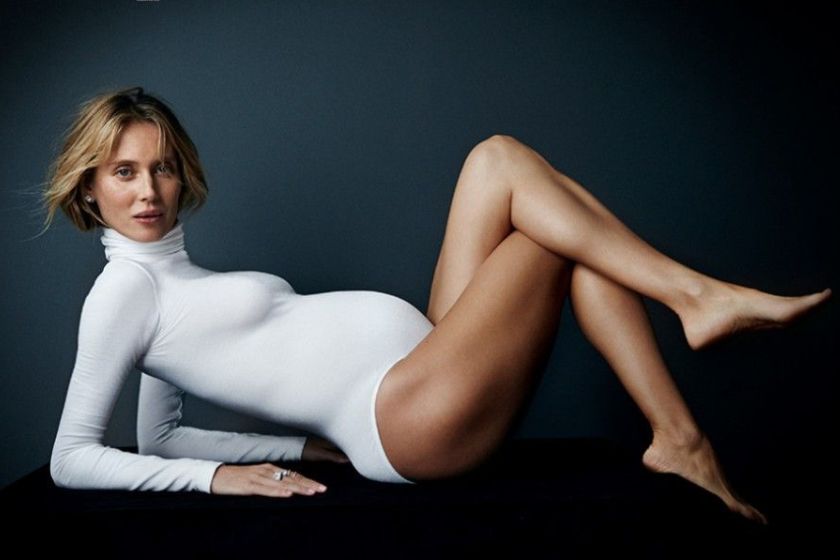
Back pain, heavy legs, stomach discomfort, intense fatigue… The end of pregnancy often comes with a few discomforts. To remedy these, several techniques are available to you. Osteopathy sessions, draining massages, prenatal yoga… We’ll tell you how to relax and best prepare for your baby’s arrival.
The end of pregnancy is near, and you’re eager to meet your baby… and also to be done with water retention that’s turned your toes into cocktail sausages! Not to mention the lower back pain and stomach reflux, which are particularly common in the third trimester. As we know, it’s important to relax for the well-being of the baby and to prepare for childbirth. Being in good physical shape, controlling your breathing, improving blood circulation, and keeping your pelvic floor flexible – all these factors facilitate childbirth. We’re sharing the methods to prioritize, with your gynecologist’s approval, of course! If your gynecologist is on board, there’s no reason you can’t combine these methods. In fact, it will do you a world of good!
Lymphatic Drainage for Water Retention
You’ve likely heard of the Renata Franca massage and its numerous benefits. But did you know it’s particularly recommended at the end of pregnancy? “Renata Franca drainage is particularly suitable for pregnant women. It helps eliminate water retention and release tension. Women feel better in their bodies, they’re more relaxed, and they sleep better,” explains Evy, a specialist in this method in Casablanca. “While massages pose no risk during pregnancy, I prefer to wait until the beginning of the second trimester before treating pregnant women. I also make sure they have their gynecologist’s approval,” she details.
Of course, when massaging a pregnant woman, the specialist adapts her approach. She avoids touching the belly and focuses on the legs, arms, and back. For the back, in particular, the woman is positioned on her side, comfortably supported by a special cushion. Typically, Evy recommends one session per month to fully enjoy the benefits of the Renata method. She even shares that all her pregnant clients have experienced easy and pleasant deliveries. “I like to think that the drainage plays a part in this,” she adds. She continues, “After childbirth as well, lymphatic drainage is recommended. It helps new mothers quickly regain their figure and tone. But again, I always await the gynecologist’s approval. Then, I determine the necessary number of sessions based on each individual,” she concludes.
More information is available at [email protected] or on her Instagram page.
Osteopathy to Relieve Tensions
Osteopathy sessions are also recommended. Caroline Lecointe Jalal, an osteopath based in Casablanca, is experienced in treating pregnant women and babies. The professional prefers to wait until the beginning of the fourth month to see her pregnant patients, except in cases of severe pain. And, as always, with the approval of the gynecologist. “The beginning of the second trimester is when the uterus rises to the abdominal level, which can cause ligament pain in the groin, sides, and lower back,” explains the osteopath. Over the months, the uterus continues to rise, resulting in other symptoms like acid reflux and shortness of breath. With her hands, the professional works on pressure points and areas of tension to release them, all without making any cracking sounds. “Depending on the patient, sessions can be scheduled monthly or at key times.” The end of pregnancy is a unique period that requires multiple consultations. “Generally, patients experience significant congestion in the legs. We then work on the pelvis to reduce pelvic congestion and leg swelling. We can also gently stimulate the lymphatic system,” Caroline explains.
Most importantly, it’s necessary to start preparing your body for childbirth. “Towards the end of pregnancy, we work on the pelvis to make it mobile, the diaphragm to ensure good oxygenation during childbirth, and the hormonal system. We know that hormones, particularly oxytocin, initiate labor. So sometimes it’s necessary to work on the skull to release tension and promote its production,” the professional explains. This is also when the question of the baby’s position may arise. If the baby is in a breech position, osteopathy can free up the mother’s body to allow the baby to turn. Also, remember to consider postpartum, about a month after the baby’s arrival, to release tensions related to childbirth.
For information and appointments, contact 06 69 84 23 32 or visit her Instagram page.
Prenatal Yoga to Reconnect Body and Mind
You probably know that it’s recommended to engage in physical activity during pregnancy. But not just any activity. The best alternative for building strength and staying fit without risks to the baby is prenatal yoga. This discipline combines physical and respiratory work through poses specifically adapted for pregnant women. The result is maintaining fitness and preparing the body for childbirth, all done gently. Prenatal yoga, in fact, strengthens and loosens the pelvic floor. And as you know, a strong pelvic floor helps prevent urinary leaks during pregnancy and future prolapses. By gaining flexibility, you’ll also reduce the risk of injury on the day of delivery. Some prenatal yoga postures can also loosen the pelvic area, providing relief from back pain or sciatica. Movement also improves blood circulation, which is important for countering the feeling of heavy legs. Lastly, through breathing exercises, you’ll create space in the chest area – crucial during childbirth. But most importantly, prenatal yoga allows you to relax and spend quality time in complete connection with your baby.
If you’re tempted to try it out, know that the Birth & Beyond perinatal center offers prenatal yoga classes once or twice a week, led by a maternity specialist coach. The best part? They also offer other disciplines perfect for self-care towards the end of pregnancy, including pressotherapy. This involves machines exerting pressure on the legs or arms through accessories (boots or sleeves) that inflate with air. This stimulation helps improve blood and lymphatic circulation, combating water retention and the feeling of heavy legs.
Furthermore, postpartum, you can try sessions of perineal and abdominal kinesitherapy, rebozo treatments (an ancestral Mexican technique aiming to reconnect with the body), or postnatal Pilates.
Birth & Beyond, Tayba Residence, Jnane Californie, Casablanca. Information and registration at 05 20 16 27 16, via WhatsApp at 06 60 16 69 53, or on their Instagram page
Picture (c) : Vogue