


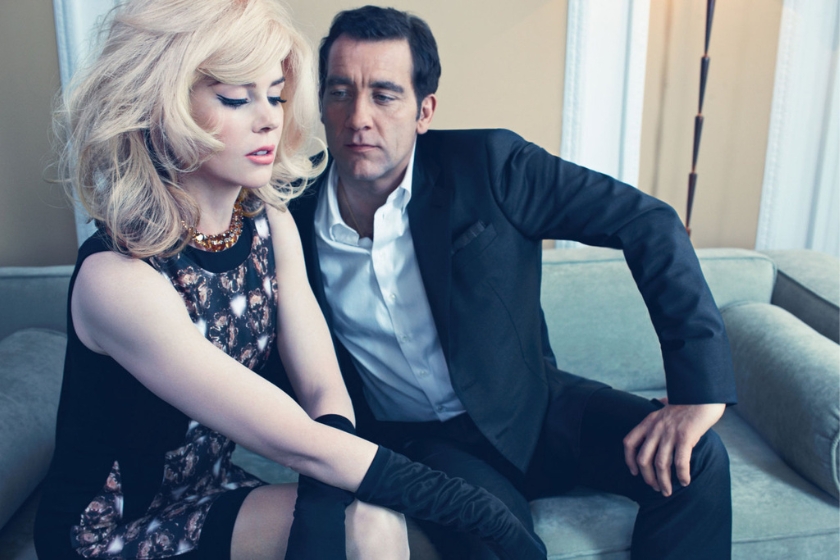
Once looked down on, then normalized, is the one-night stand losing it’s appeal again in 2025? Amid societal pressures, taboos, and a search for meaning, we explore a phenomenon undergoing reinvention.
Is the one-night stand—those fleeting, no-strings-attached encounters—becoming passé? That’s a bold question for the start of the year, we know. But this isn’t just idle chatter. Believe it or not, many people are contemplating this very question — specially in places like ours, where extramarital sex is still criminalized under the Penal Code. In theory, that is. In practice, people from all walks of life find love—or intimacy—without legal ties.
This tension can feel like a mental burden, caught between personal freedoms and the weight of societal expectations, morality, and the law. It’s a particularly timely topic, as feminist movements and political parties push for the repeal of Article 470 in the context of reforms to Morocco’s family law and Penal Code.
Justice Minister Abdellatif Ouahbi has openly supported expanding individual freedoms and respecting privacy. He even criticized hotels requiring marriage certificates for couples booking rooms, calling the practice “illegal.” With so much in flux, we took a closer look at the changing perceptions—and occasional disappointments —surrounding one-night stands.
A taboo topic?
To start, the author of this article asked ChatGPT (her new BFF) to find recent studies or articles on “the end of the one-night stand.” The results? Nada. Zip. Which either makes this article groundbreaking—or completely off-track.
That said, searching terms like “hookup culture” or “casual relationships” online yields endless results. Sociologists and philosophers have long preferred to analyze monogamous, exclusive relationships, leaving ephemeral flings underexplored. Even in progressive societies, casual sex—though always present—remained taboo before the sexual liberation of the 1960s and 1970s.
Interestingly, men were often celebrated for their promiscuity, viewed as modern-day Don Juans, while women faced judgment for the same behavior. It was feminist and LGBTQIA+ movements that challenged the traditional (heterosexual marriage) mold, paving the way for more inclusive relationship norms. Unsurprisingly, these movements continue to face backlash from conservative factions, amplified by big tech platforms.
From may ’68 to millennials
The real shift began in the 21st century with the advent of the internet and dating apps. Societal changes, the #MeToo movement, and evolving sexual norms encouraged researchers to explore new forms of love and intimacy.
Sociologist Eva Illouz, for example, argues that dating apps have commodified emotional connections, while philosopher Richard Mèmeteau describes one-night stands as “enchanted parentheses.” A 2024 report by France’s National Institute for Demographic Studies (INED) found that while traditional couples remain the norm for those under 30, casual hookups play a significant role in their intimate lives.
Interestingly, men often label these encounters as “hookups,” while women and non-binary individuals refer to them as “friendships with benefits.” That said, despite the rise of toxic masculinity online, not all men view sex in reductive terms.
Conflicting pressures
Casual sex has become more normalized worldwide. For many, it’s a healthy, carefree experience—enjoyed without emotional entanglements or long-term expectations. Apps and social media make finding a casual encounter seemingly effortless.
But dig deeper, and it’s clear that one-night stands aren’t so straightforward. Articles like “Hookup Rules,” “How to Handle Falling for a One-Night Stand,” or “What Not To Do with a Casual Fling” point to the emotional complexities people face. Online forums even debate etiquette for these encounters, revealing just how fraught this supposedly carefree act can be.
@sabrina.zohar
Have we swapped one societal pressure for another? Short answer: yes. While marriage remains sacred in many places, single adults now face subtle nudges to “at least” have a sexual partner—lest they appear boring or, worse, emotionally unavailable. Yet women are still expected to tread lightly, dodging the ever-watchful eye of slut-shaming critics.
What about no sex?
First, let’s clear this up: opting out of sexual activity—whether temporarily or permanently—is perfectly valid. It doesn’t mean you’ve missed out or become antisocial.
Case in point: the author recently met a 50-year-old woman who’s simply lost interest in sex. Divorced, with grown children and a thriving career, she’s redirected her energy to other passions. For her, both marriage and casual flings are a chapter she’s moved past.
Similarly, many younger people, especially in their 20s and 30s, are “preserving” themselves—not in a moralistic sense, but to protect their emotional well-being. For them, casual sex isn’t just casual; it carries emotional weight. Rather than risk heartbreak or disappointment, they choose to pause, stepping away from apps in favor of authentic connections—even if those don’t guarantee lasting relationships.
The math doesn’t always add up
Casual sex isn’t entirely free of effort. There’s the challenge of staying unattached—not necessarily out of love, but because everyone craves emotional connection and human warmth.
For women, there’s also the judgment factor. Despite living in the 21st century, society hasn’t fully leveled the playing field. Women often bear the brunt of societal expectations around sex, making the experience more burdensome than liberating.
One friend of the author humorously summed it up: “Do you know how much it costs me to go on a date? Nails, lashes, makeup, outfit, drinks, transportation—and all for zero guarantee of chemistry. And then to get ghosted? No thanks!”
@its_nouhailaa Part 1. Using expensive make up 💖
For many, this burnout from casual dating leads to a form of emotional exhaustion, causing people to withdraw entirely.
So, is this the end of the one-night stand? Not exactly. But its appeal is waning for some. Many are choosing to dial back—or opt out entirely.
This shift explains the rise of “slowmance”—a more mindful approach to intimacy. For those tired of the emotional rollercoaster, the promise of genuine connection outweighs the thrill of a fleeting encounter.