

Tanaland is the current TikTok phenomenon. It is a fictional country imagined by and for women, where men would be excluded. Behind this seemingly whimsical idea lies a much darker reality. Here’s the full story.
“I’m off to Tanaland.” By posting this video, Sali Matou, an 18-year-old French TikToker, did not expect to create a trend that would be taken up by over 18 million internet users (mostly women). But what exactly is Tanaland? Well, it’s an imaginary country, exclusively for women, where all women (and young girls) who are victims of misogyny, sexism, and slut-shaming on social media can find refuge. And where, of course, the borders are closed to our male counterparts.
Tana, a Sexist Insult
Stupid? Immature? Misandrist? Tanaland is primarily a humorous and sisterly response to the masculinism and sexism that abound on the Internet. In fact, many masculinist internet users have themselves launched the term “tana” to escape all forms of censorship. In slang, “tana” means “bitch,” likely derived from the lexicon of French rapper Niska or from the Spanish word “putana” (prostitute). Overall, it is used to insult and degrade all women who are deemed too free or “promiscuous.” Thus, overnight, thousands of influencers and young women found themselves labeled as “tana” under their posts by countless internet users, without it being considered an insult or harassment.
After being called “tana” repeatedly, TikTokers (followed by Instagrammers and Snapchaters) decided to create Tanaland. Inspired by the feminist film Barbie, Tanaland’s flag is candy pink, and it is sunny (and warm) all year round. Inclusive and welcoming, it embraces ALL women.
Tanaland and the N-Word: A Shared Struggle
Tanaland is just a concrete manifestation of a well-known concept in sociology. As Shoelifer likes to keep it simple, here’s a concrete example. In the United States, the N-word has long been a racist insult linked to the painful history of slavery, used by white people to humiliate and degrade Black individuals. Gradually, particularly through hip-hop culture, new generations of African Americans have reclaimed the N-word (exclusively among themselves) as a banner of their history, identity, and struggles.
Another example: hip-hop has long sexualized and disrespected women, especially African American women. This has partly led to the emergence of female rappers like Lil’ Kim (a pioneer of American female rap), Nicki Minaj, Cardi B, and Megan Thee Stallion. These hyper-sexualized artists reclaim sexist norms to better throw them back in the face of the world. Tanaland is exactly the same thing.
Certainly, women are not strictly an oppressed minority, but they still suffer from systemic inequalities and violence. Throughout her life, a woman (regardless of her lifestyle) will encounter at least one sexist insult (and much worse). In other words, we are all potentially a “tana,” so we might as well be supportive and laugh about it.
Behind the Phenomenon, a Sad Reality
Since its inception, Tanaland has generated many reactions. Initially, there was hatred and misunderstanding from many internet users. However, it also sparked a new liberation of speech and garnered significant media attention. The Tanaland phenomenon was even co-opted by a well-known health insurance company. Yes, capitalism has always loved rebranding itself at the expense of progressive struggles (but that’s another story).
It’s worth noting that Tanaland did not emerge at a random moment. Whether it’s the Pelicot trial in France, the P Diddy case in the United States, or even closer to home, the filmed sexual assault in Tangier (in a public space), all demonstrate the systemic scale of violence against women. Certainly, excluding men is not a solution. Moreover, many men have applied for a visa (LOL) to join Tanaland and escape misogynists. Never forget, together we go further!
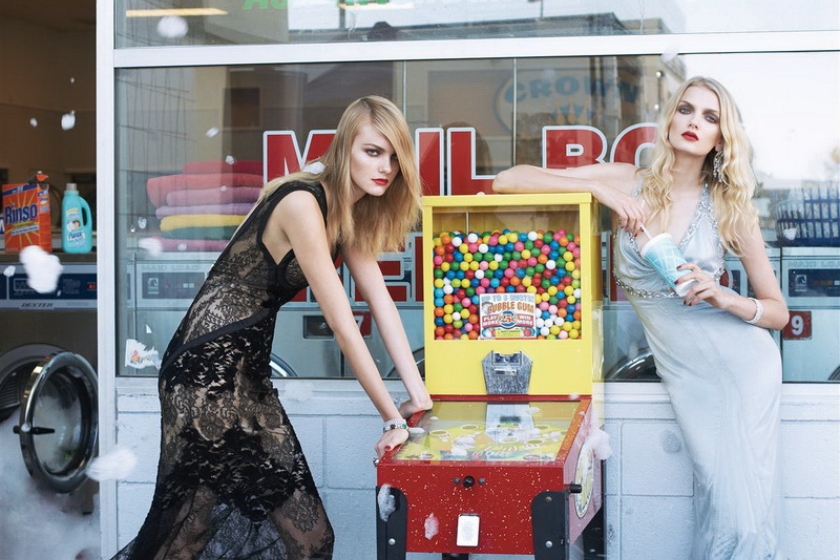
Picture (c) : Fashion Gone Rogue