


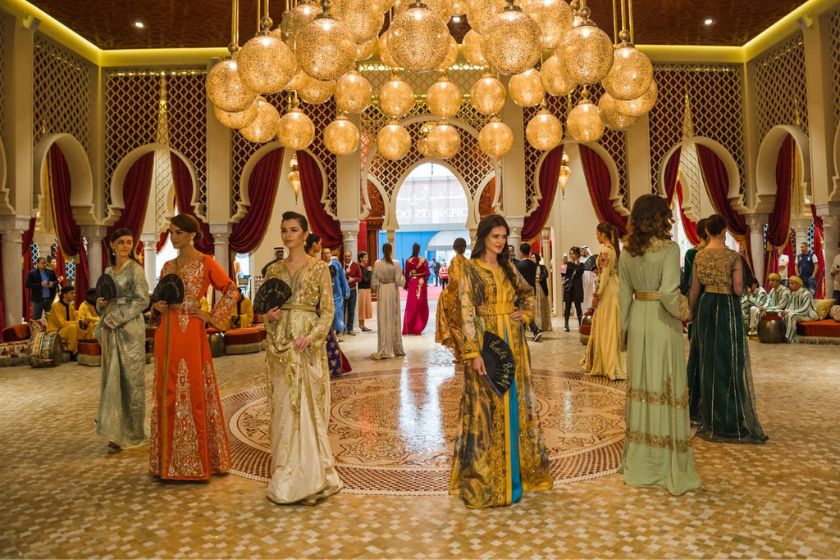
After two years of collective mobilization, the inclusion of the Moroccan caftan on UNESCO’s list marks a historic turning point. Minister of Tourism and Handicrafts Fatim-Zahra Ammor and designer Zineb Joundy look back on the behind-the-scenes efforts, the emotion, and the stakes of a long-awaited recognition.
It is a long-anticipated, meticulously prepared, and deeply symbolic recognition. On Wednesday, December 10, 2025, the Moroccan caftan was officially inscribed on UNESCO’s Representative List of the Intangible Cultural Heritage of Humanity, at the conclusion of the 20th session of its Intergovernmental Committee, held in New Delhi, India. It’s a decision that celebrates a centuries-old ceremonial garment, but above all, a living savoir-faire passed down from generation to generation for more than eight centuries.
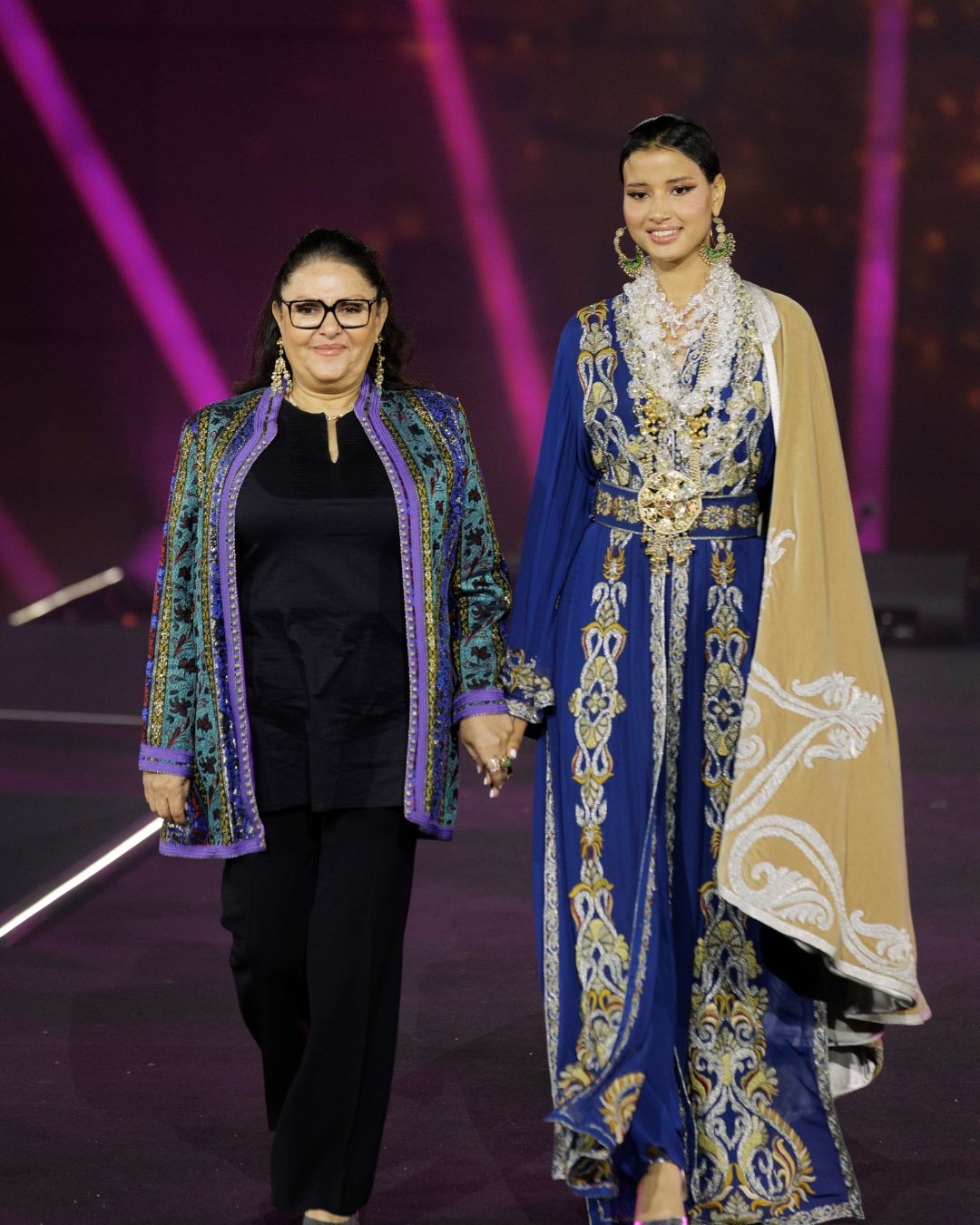
Samir Addahre, Ambassador and Permanent Delegate of the Kingdom of Morocco to UNESCO, praised the “arduous work” behind the achievement and paid tribute to the collective mobilization of Moroccan diplomacy in bringing the dossier to fruition. “The ceremony took place at the Red Fort, an emblematic site of Indian culture that is itself listed as a UNESCO World Heritage site. There was something profoundly powerful about seeing the Moroccan caftan recognized in a place already steeped in human history. In that moment, we truly felt that our own story was joining a much larger one,” recalls caftan designer Zineb Joundy, who attended the ceremony.
The Moroccan caftan at UNESCO: two years of advocacy, recognition at the finish line
Officially, the Moroccan caftan’s journey to UNESCO began in 2023, when Morocco announced its intention to submit a registration dossier. . What followed was a rigorous, in-depth process—historical documentation, inventorying techniques, and the mobilization of all stakeholders (artisans, designers, media, and more)—aimed at convincing the 24 members of the Committee. “There was a great deal of restraint, but also a lot of emotion. We knew how strongly Morocco had mobilized for this registration, and the last-minute twists kept us on edge. When the recognition was finally confirmed, the sense of pride was overwhelming,” says Zineb Joundy.
During the review session on December 10, the Moroccan caftan dossier at UNESCO became the focus of a particularly tense diplomatic moment. A procedural postponement attempt, put forward by the Algerian delegation, sought to introduce an amendment that could have delayed the registration. The maneuver was rejected by the Committee’s president, with the support of several member states, including the United Arab Emirates, Spain, and Nigeria. Following the exchanges, the amendment request was withdrawn, clearing the way for validation.
Artisans, transmission, and economic impact
In an exclusive statement to Shoelifer, Fatim-Zahra Ammor, Minister of Tourism, Handicrafts, and the Social and Solidarity Economy, welcomed the recognition of the Moroccan caftan at UNESCO, describing it as an “immense source of pride for Morocco.” “This recognition belongs first and foremost to all Moroccans, but especially to those who have kept the caftan alive over time: our artisans. Their actionss, their know-how, their ability to pass this heritage down from generation to generation—that is what has allowed the caftan to reach us today with such strength,” she states.
The Minister also highlights the long-term efforts carried out by all stakeholders, particularly the Handicrafts Department. This collective approach made it possible to present a “clear and coherent” dossier, confirming the caftan’s inestimable value. Beyond its symbolic dimension, the registration of the Moroccan caftan at UNESCO opens up tangible prospects: enhanced international visibility, increased demand, and a positive economic impact across the entire ecosystem (creators, designers, artisans, retailers).
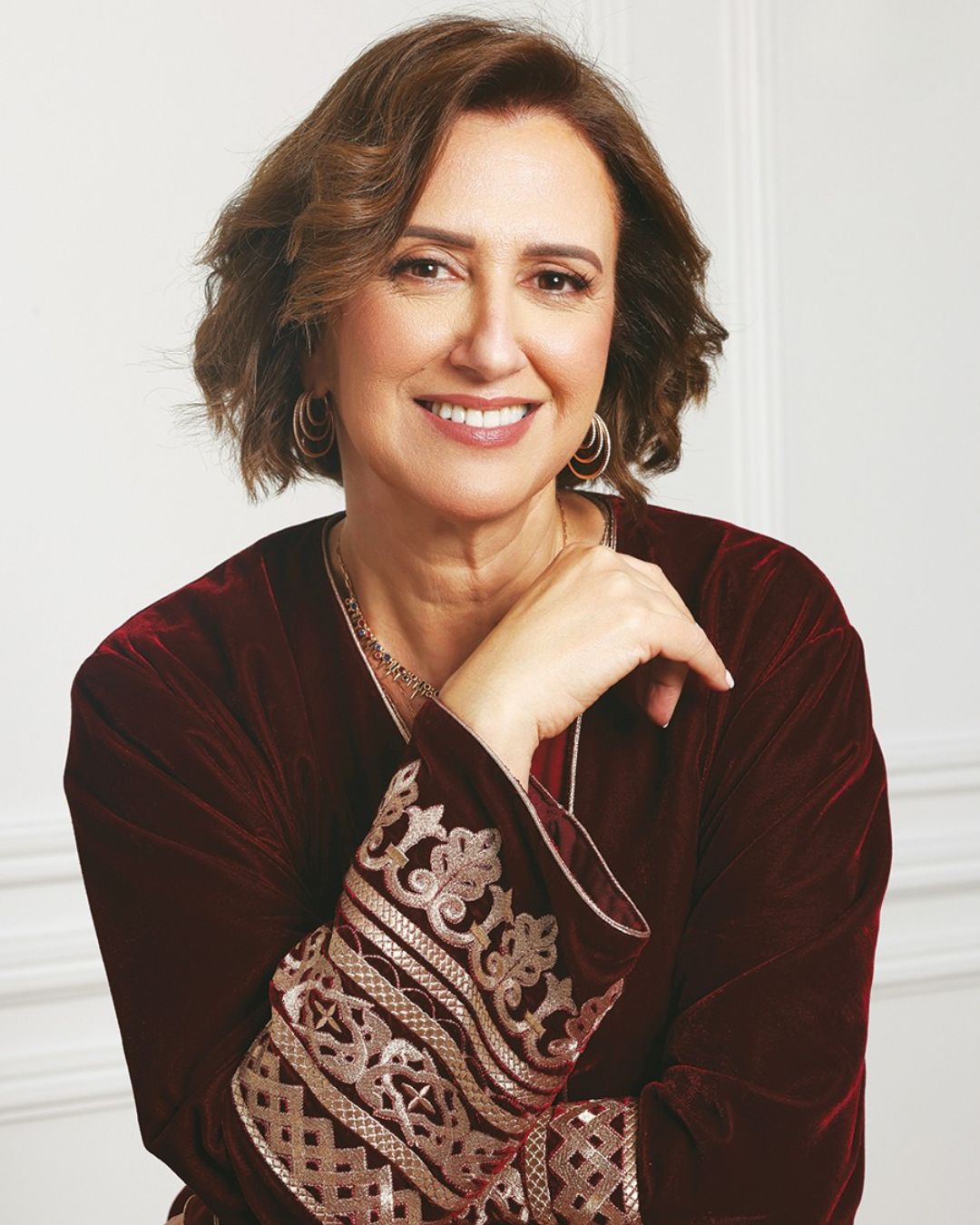
“For designers, this inscription brings international legitimacy. It reinforces the artistic value of the caftan, opens doors within the fashion and luxury industries, and encourages a more conscious form of creation—one that respects heritage while leaving room for innovation,” explains Zineb Joundy. “This recognition is also essential for artisans. It safeguards ancestral know-how, strengthens professional pride, and above all ensures its transmission to younger generations, which is the key condition for the sustainability of these crafts,” she adds.
Read also : EXCLUSIVE: ZHOR RAÏS CREATES A DIALOGUE BETWEEN HER CAFTANS AND DALÍ’S SCULPTURES
The Moroccan caftan at UNESCO: between soft power and couture in motion
For several years now, the Moroccan caftan has established itself as a discreet yet powerful tool of soft power. Featured on runways, in exhibitions, and at major cultural events in the Middle East and Europe alike, it conveys an image of Morocco that is both deeply rooted in heritage and resolutely contemporary. Through it are exported an art of living, a vision of artisanal luxury, and a modern portrayal of Moroccan womanhood—confident, elegant, creative, and free in both conventions and reinterpretations.
This influence is the result of a rich and long-standing ecosystem. Since 1996, the “Caftan du Maroc” fashion show, organized by Femmes du Maroc and broadcast on 2M, has played a major role in anchoring the caftan in the collective and media imagination. This visibility has been amplified by major magazine covers, from L’Officiel Maroc to lifestyle publications, as well as by Moroccan princesses, who regularly wear the caftan at official events, reinforcing its symbolic and cultural significance.
Among the many initiatives that have accompanied this movement, Shoelifer has contributed to showcasing the caftan by providing artistic direction and/or curating several cultural projects in Morocco and internationally. These include the exhibition and fashion shows organized in 2015 in Abu Dhabi as part of Moroccan Heritage Week, inaugurated during its first edition by King Mohammed VI, as well as the exhibition “L’Odyssée du caftan”, presented in 2024 in Casablanca, which brought together historical pieces, contemporary creations, and artisanal gestures in dialogue.
That same year, the Caftan Fashion Show in Doha, organized at Dar Al Maghrib in the presence of Princess Lalla Hasna, brought together ten Moroccan designers, including Zineb Joundy. More recently, the exhibition “Dalí Diali – The Fabric of Dreams”, conceived by Zhor Raïs to mark her forty years of creation, staged a dialogue between twelve sculptures by Salvador Dalí and twelve couture caftans.
While the Moroccan caftan has yet to fully establish itself in Western wardrobes, it has already won over cultural and social elites across the MENA region, becoming both a marker of distinction and an object of desire. Its inscription on UNESCO’s Intangible Cultural Heritage list further strengthens this momentum. It grants the caftan universal legitimacy. By inducting the Moroccan caftan, UNESCO is not celebrating a frozen past: it is recognizing a living present and, above all, the future.