



Between a return to basics, a craving for comfort, and a hunger for bold culinary adventures, culinary trends 2025 are all about contrasts. Much like our emotions and the world around us. Shoelifer takes a deep dive into the flavors that will shape our plates this year.
“Plant porn” and the era of cool veggie cuisine
The outdated stereotype of joyless vegetarians is long gone. In 2025, plant-based cuisine is trendy, mainstream, and unapologetically fun. Social media platforms like Instagram, TikTok, and YouTube are fueling the rise of mouthwatering vegan “food porn.” Veggie sandwiches are piled high with “fauxmage” (plant-based cheese), burgers are crafted from quinoa and lentils or beetroot and cashews, and vegetables are roasted and marinated like meats. Think miso-glazed carrots or whole cauliflower steaks grilled to perfection. Even street food is embracing the plant-based wave. Grab-and-go options include vegan kebabs, grilled veggie tacos, or mushroom smash burgers. It’s fun, often organic, and—most importantly—delicious!
Read also : EASY RECIPES: 3 VIRAL TIKTOK TRENDS TO TRY AT HOME
Soft pairings: is gastronomy going sober?
Not long ago, pairing a gourmet meal with a non-alcoholic drink might have raised some eyebrows. Not anymore. The trend is shifting toward “less alcohol” or even complete sobriety. To meet this demand, fine dining establishments are curating intricate soft pairings—mocktails, alcohol-free wines, herbal infusions, and distilled botanical drinks. This movement takes inspiration from Asia, where some high-end restaurants even have dedicated sommeliers crafting non-alcoholic pairings for each dish.
This shift has also sparked a wave of innovation in beverage-making. Beyond traditional decoctions, extractions, and infusions (hot and cold), new techniques like maceration and lacto-fermentation are emerging. More than just a passing fad, this is a full-fledged reinvention of traditional beverage norms.
Tea in all its glory
Tea time is making a major comeback, and in some cases, even replacing happy hour. Hot, iced, in soft drinks or long drinks—tea is the beverage of the moment. While matcha remains a favorite, other blends are gaining ground. Spiced teas and floral infusions—chamomile, cinnamon, nettle—bring complex flavors to the table, while rooibos is gaining fans with its naturally sweet taste and caffeine-free appeal. Tea is also making its way into desserts, sauces, smoothies, and lattes. Fermented, sparkling, or cold brew, it’s a perfect fusion of health, taste, and versatility for the new wave of food lovers. And according to experts, tea time is set to become a dominant force in 2025’s culinary trends.
Seaweed takes the spotlight
When you hear “aquatic plants,” you might first think of aquarium décor, hiding your little goldfish. But in 2025, seaweed and other marine plants are stepping out of the water and onto our plates. Celebrated for their texture and umami-packed flavors, these oceanic greens are making waves. Sea lettuce adds crunch, while eelgrass is being transformed into flour and pasta.
Long used in Japanese cuisine, seaweed is now being sprinkled over salads and soups as a seasoning. It’s also making its way into pastries, biscuits, bread, and even drinks and gummies. Plus, it’s a nutritional powerhouse. Sea moss, duckweed, and agar-agar are packed with proteins, fiber, and essential nutrients. In short, there’s a lot to love about these underwater superfoods.
“Swicy” fusions
A mashup of “sweet” and “spicy,” the “swicy” trend is winning over younger generations raised on social media and fast-paced snacking. They crave bold new flavors as quickly as they scroll through their feeds. TikTok is buzzing with viral recipes like sriracha popcorn, gochujang chips, and sweet soy sauce-glazed dangos.
Restaurants are following suit, experimenting with boundary-pushing hybrid flavors. A rich chocolate cake with a pinch of Calabrian chili or a tart lemon sorbet infused with cardamom? Yes, please. The swicy trend also thrives in cocktails, where fruity blends get a fiery kick from ginger, chili, or spiced honey. Even snacks are getting in on the action—sour candies dusted with Spanish paprika or caramelized peanuts with chili are delivering an electrifying flavor experience.
Back to the fire
The smoky touch is all the rage in 2025, bringing complexity and depth to a fusion of flavors. This trend harks back to the warmth and authenticity of wood-fired cooking—evoking the nostalgia of homemade meals. And it’s not just for meat lovers. Plant-based proteins like tempeh and tofu are increasingly being smoked or grilled to mimic the texture and richness of meat.
This smoky essence pairs beautifully with bold flavors like spices, citrus, and umami-packed sauces. Experts predict that smoky notes will enhance condiments, sauces, and even fruits and vegetables. Think smoked paprika honey, grilled Calabrian chili butter, or smoked sea salt sprinkled over chocolate. In 2025, the flavors promise to be both subtle and explosive.
Fermentation: the healthy food revolution
Whether we realize it or not, fermented foods are already part of our daily lives. This ancient preservation method, responsible for cheese, yogurt, and even coffee, is one of the hottest culinary trends of 2025. It aligns with the quest for authentic flavors, healthier eating, and a deeper understanding of gut health.
Beyond their distinct taste and texture, fermented foods are loaded with probiotics—those gut-friendly bacteria that keep our microbiome happy. From sauerkraut and kimchi to kefir, miso, kombucha, and tempeh, they’re everywhere. Even top chefs are revisiting fermentation techniques to create unique, complex flavors a trend worth indulging in with enthusiam!
Nostalgia on a plate
As we said, 2025’s food trends are all about contrasts. While thrill-seekers chase extreme flavors, many are also seeking the comfort of familiar dishes. In uncertain times, “comfort food” remains a powerful draw. Ice cream, candy, chocolate, cookies, and childhood snacks offer a much-needed sense of well-being.
Grandmother’s recipes are also making a comeback in restaurants worldwide—sometimes with a modern twist, sometimes just as they were. In Paris, for example, macaroni bars are popping up, serving the beloved childhood staple with toppings like ham and cheese, tomato sauce, chicken and Boursin, or even truffle—at very Parisian prices, of course. But honestly, the same nostalgic effect can be recreated at home for a fraction of the cost!
Fiesta at the taqueria
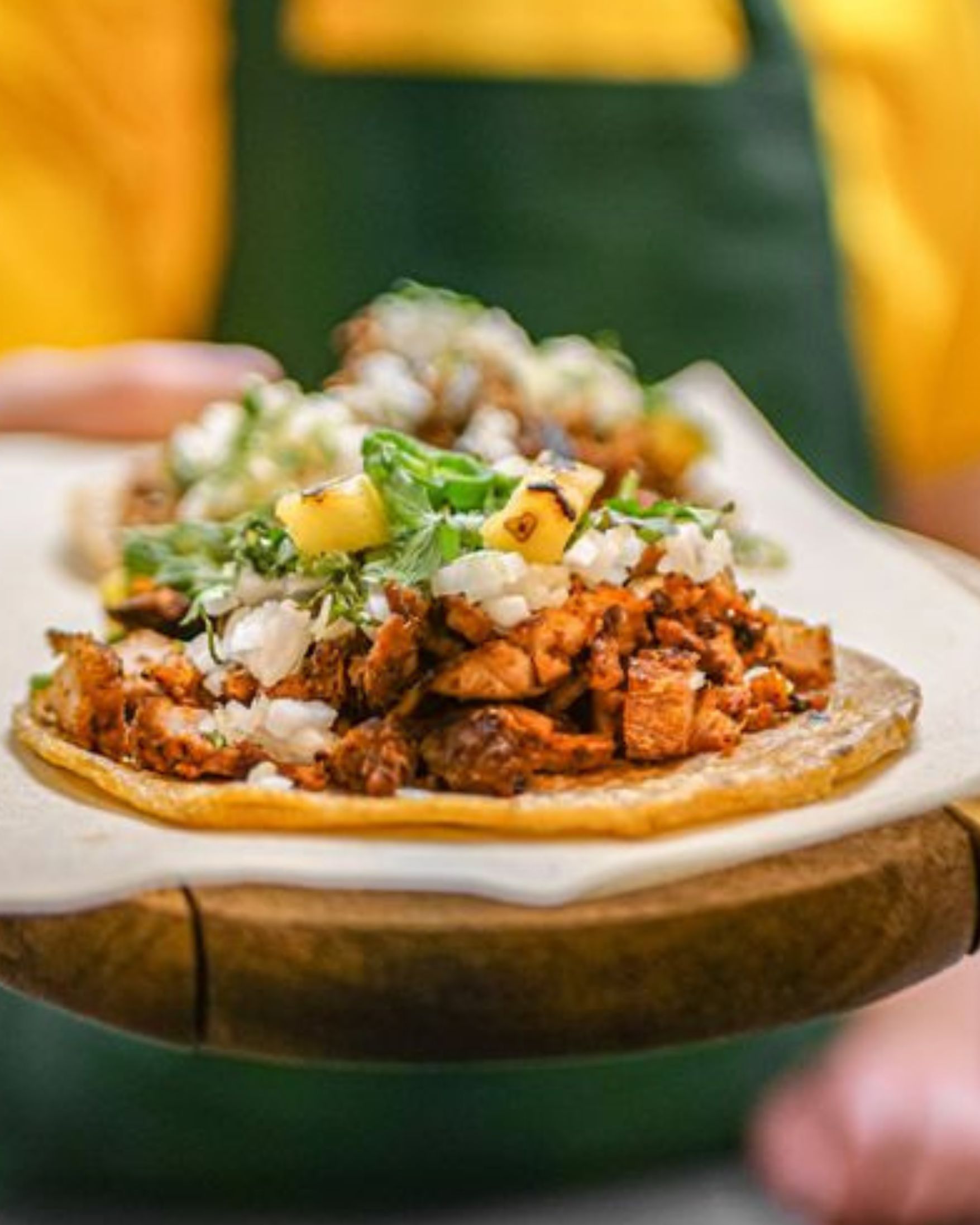
After winning over American foodies, a new cuisine inspired by South America is making its way to our side of the Atlantic. This trend caters to the younger generations’ craving for bold flavors and a warm atmosphere. In modern taquerias, people share Argentinian empanadas, asados for meat lovers, stuffed tamales, and cocktails made with Peruvian pisco. On culinary blogs and social media, recipes for desserts like dulce de leche or spicy condiments like salsa seca and salsa negra are currently all the rage. It’s a vibrant and flavorful cuisine that is setting Instagram on fire.
Dumplings are making a buzz
Coming straight from Asian cuisine, dumplings have made it onto Whole Foods’ list of top food trends for 2025. Easy to prepare and stuff, these dumplings appear in almost every country in one form or another and can be adapted to any diet, whether you’re vegan or an unapologetic carnivore.
Why are they so trendy? Because they symbolize sharing and are perfect for the fusion and unexpected combinations that younger generations love. No wonder these little bites have taken social media by storm. So, are you more into shrimp wontons, sweet potato pierogis, or black bean pupusas?
A sustainable cuisine
Did you know that since 2020, the Michelin Guide has been awarding a Green Star to (good) restaurants that rethink their environmental impact? This proves that sustainability has become a key factor in our food choices. For many of us, the war on food waste—both on and off our plates—is in full swing.
Some chefs have even specialized in culinary reinvention. With carrot peels, shrimp heads, or cheese rinds, they take on the challenge of delighting us. A former Top Chef contestant has even opened a Parisian restaurant called “Des restes” (which translates to “Leftovers”) with a menu made from food that would otherwise be thrown away, including “ugly” vegetables that don’t meet standard criteria.